
AI consulting for small business: what it is, what it costs, and how to start
What an AI consultant does for a small business, when you need one, what it costs, and the questions to ask before you hire one.

AI consulting for a small business means someone learns how your work actually runs, finds where the hours go, and builds AI automations into the tools you already use. A good AI consultant ships one thing that works before asking for a bigger project, and leaves your team able to run it.
Searches for "AI consulting services" are up 47% in the last three months. But search "AI consultant" from Tucson and you get job boards, Reddit threads and BCG.
Plenty of owners are looking. Very few find someone built for a 10-person company.
Here's what I'd want you to know before you hire anyone.
1. What an AI consultant actually does
- Learn how the work runs. The real steps: who answers the phone, who retypes what, where a job waits.
- Find where the hours go. Every step gets sorted: keep it human, automate it with simple rules, or hand it to an AI agent.
- Rank what to automate. The first pick is the task that eats the most time and is easiest to get right.
- Build it into your tools. Your calendar, your CRM, your job software. Not a new system your team has to learn.
- Train the team, then measure. Compare against the starting point from step 2.
You can see how we run this at Rincon AI on our How we work page.
2. When you need one, and when you don't
If your team mainly needs to use ChatGPT or Claude well, you don't need a consultant. You need training, and it costs less. Our AI training covers that.
You need a consultant when the work crosses people, tools and steps. Leads that come in by phone and email and fall through. Quotes that wait two days for someone to type them up. Information that lives in three places and matches none of them.
3. What an AI readiness assessment looks like
Most good engagements start with an assessment. Ours is a free AI audit day: a day with your team, mapping how the work runs, ending in a ranked plan.
The questions we ask on that day:
- Which tasks does someone do every day that follow the same steps?
- Where does work wait for a person to copy, retype or chase something?
- Which tools hold your customer, job and billing information?
- Where do calls or leads slip through after hours?
- What would your team do with ten more hours a week?
4. What it costs
It's the first question owners ask, and it should have a straight answer.
We set our price at about a tenth of the first-year savings we project from where your hours go today, and you see that projection before you decide. Once something is running, we report what actually changed against the starting point we measured.
The first step costs nothing: the audit day, or your first automation built.
5. AI consultant, agency, a new hire, or doing it yourself
| AI consultant | Marketing or software agency | Hiring someone | Doing it yourself | |
|---|---|---|---|---|
| Cost to start | Often a free or fixed first step | Usually a retainer | A salary and benefits | Your time |
| Who builds it | The consultant, inside your tools | The agency, often on its own stack | Your new hire | You |
| Who maintains it | Your team, after training | Usually the agency | Your hire | You |
| Best when | The work crosses people and tools | You need marketing or a custom app | You have years of work for one person | It's one simple task |
6. Questions to ask before you hire one
- Do you build, or only advise?
- Will it work inside the tools we already pay for?
- Who owns what you build?
- How do you handle our data?
- Can we talk to a client?
If the answer to the first one is "we advise," you're buying a report.
7. Red flags
- Guaranteed results. Nobody can promise numbers before they've seen how you work.
- A pitch that starts with a tool. The tool comes after the work is understood.
- A long contract before any proof. Ask for one working automation first.
- No answer to "who builds it?"
8. What this looks like in practice
Cinch Cycling runs its coaching business on an operating system and athlete portal we built. Tom Danielson, the founder and head coach, put it this way: "He understood Cinch faster than anyone we've worked with before."
Krikawa Jewelry uses custom AI skills that hand designs from their designers to the CAD team. In their words: "The custom AI skill he built helps us save time and reduce friction when handing work between our designers and CAD team."
Some Distant World, a sculptor's studio, runs on a company operating system. John T. Benedict, the artist: "He did not try to flatten the project into technology. He used the technology to serve the art."
9. What happens after the plan: forward-deployed engineers
A plan doesn't save anyone an hour. Someone has to build it.
That's the job of a forward-deployed engineer: an engineer who works inside your business, alongside the people doing the work. They build the automation into your systems and measure what changed. It's how we work at Rincon AI, and you can read more on our forward-deployed engineers page.
If I were starting this week
- Write down the three tasks that eat the most hours on your team.
- For each one, note every tool it touches.
- Pick the one that happens most often.
- Ask any consultant you talk to how they'd automate that one first, and who would build it.
- Don't sign anything longer than that first build.
Questions owners ask
Is hiring an AI consultant worth it for a small business? It's worth it when the work crosses people and tools and you can measure the hours. Start with one task and see the numbers before you commit to more.
How long until something works? Once the work begins the first automation can be set up within a week or two. The key is to tackle the smallest job that has the highest impact first.
Do we need new software? Usually not. We build inside the tools you already use.
What happens to our data? You own the data. That's your moat as a company. We advise you to guard your data aggressively.
Will this replace anyone on my team? The goal is to take the retyping, chasing and copying off their plate so they spend their time on the work only they can do.
Start free
Book a 30-minute call and choose your free start: a day with your team auditing the work, or your first automation built. Book the audit day.

Start with one AI automation. Unfold the whole company operating system.
AI operating systems and automations for businesses.
Start free: an AI audit day or your first automation.
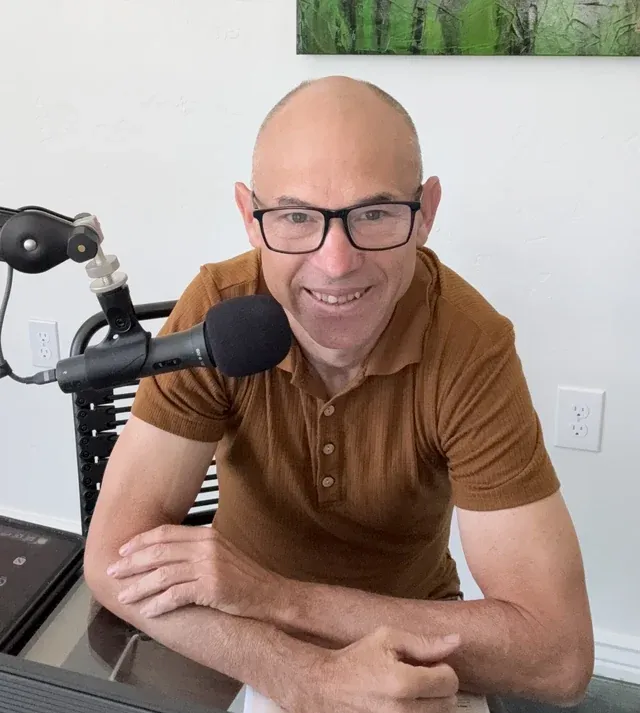
Written by Jonathan Cavner
Founder, Rincon AI
Jonathan Cavner founded Rincon AI in Tucson after more than two decades building identity, portal and payments systems in regulated financial services.